
 When I was going to school at Dominion Herbal College, the main focal point of my studies for the first two of my four years was Materia Medica. Materia Medica is in essence, knowing/memorizing the medicinal use of plants. Yet, it goes so much more beyond that. As a clinical herbalist you are required to know the individual herbs you are working with, you must known their medicinal actions, their chemical constituents, the various body systems they are best for, and also their pharmaceutical applications, dosage, contraindications, what herbs are not appropriate with prescription drugs, and what herb combinations are best for certain conditions. Putting this knowledge to practice was a challenge! What I found even more challenging was that there was no pre-determined way in which to learn the material beyond just taking notes from books and lectures. I am a visual learner, and I learn best when things are organized and easy/appealing to look at. I also find that material is more easily memorized when I write things down versus typing things in a graph or on a paper. I imagine I am not the only one, and likely was not the only student often frustrated with how to learn hundreds of herbs. Today I have students of my own, both in herbal medicine and in holistic nutrition. On both ends of the spectrum, they learn about herbs. Obviously those training to be clinical herbalists or master herbalists are studying many more plants and in far greater depth than those studying holistic nutrition, but I feel this printable can be used by professional or informational studies alike. At the bottom of this field you will find two files. One of them is an example on how to fill in the form, and the other is the actual blank form. Both can be downloaded. I hope you enjoy this little gift of learning, and hope you will utilize it in your studies! With love of learning, Petra Sovcov - CHT 
9 Comments
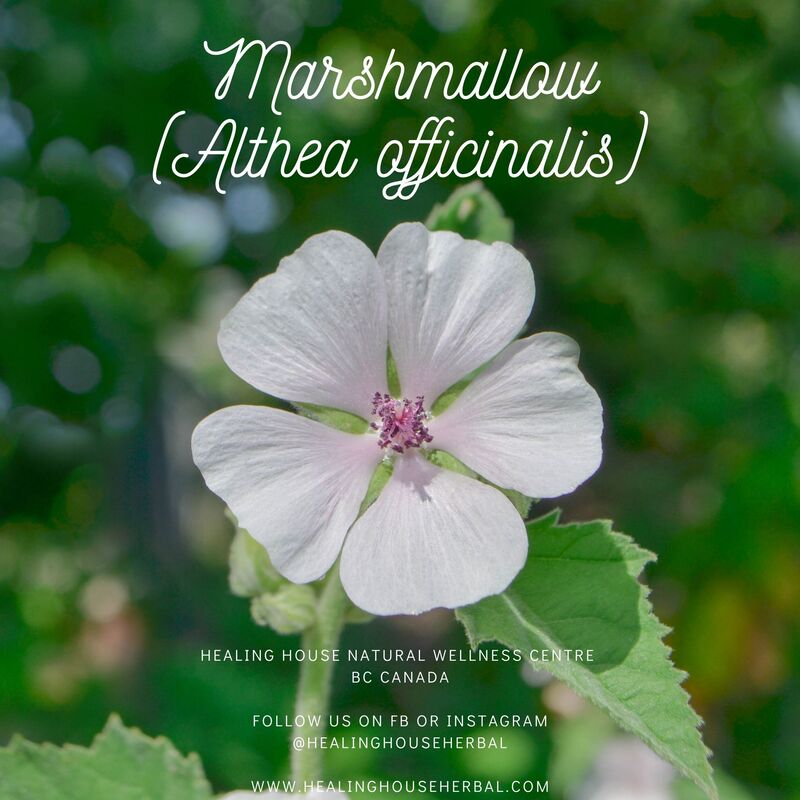 Indigenous to Asia minor and the greater part of Europe. Later naturalized on the east coast of the US in New England and New York – partial to salt marshes, damp meadows, by the sides of ditches, and by the sea and on the banks of tidal rivers. The generic name Althea, is derived from the Greek, altho (to cure), from its healing properties. The name of the order, Malvaceae, is derived from the Greek malake (soft), from the special qualities of the Mallows in softening and healing. Most of the Mallows have been used as food, and are mentioned by early classic writers. Mallow was a vegetable dish among the Romans and was considered a delicacy. In many other parts of the world it was used during times of famine. Dioscorides extols it as a remedy, and in ancient days it was not only valued as a medicine, but was used, especially the Musk Mallow, to decorate the graves of friends. Uses for Marshmallow have been documented for over 2,000 years. Family: Malvaceae Parts Used: Root (On a two to three year old plant) – Also the Leaves and occasionally the Flowers Root is collected early in the spring or fall. The leaves are picked in August, when the flowers are just coming into bloom. They should be stripped off singly and gathered only on a fine day, in the morning, after the dew has been dried off by the sun. Other Common Names: Mallards, Mauls, Schloss Tea, Cheeses, Mortification Root, Guimauve tea, Malve, Malvavisco, Malvavisce, GulKhairu, K’uei, Sweet Weed, Wymote, Witte Malve Misc:
Emollient Protective Nutritive Demulcent Anti-inflammatory Anti-Irritant Alterative Antitussive Vulnerary Diuretic Moistening Soothing
Chemical Constituents: Starch Mucilage Pectin Sugars Asparagin Flavonoids Tannins Scopoletin Salt Phenolic acids Acidic polysaccharides What are its uses?Head, Ears, Eyes, Nose, and Throat:
Integumentary System (Skin):
Mental Health:
Respiratory System:
Digestive System:
Urinary/Renal System:
Endocrine System (Hormones):
Cardiovascular System:
Circulatory System:
Immune/Lymphatic System:
Reproductive System:
Musculoskeletal System:
Specific Diseases/States/Infections/Viruses/Bacteria:
Combinations:
PharmacyMax Daily Dose:
ApplicationsInfusion:
Misc:
Pharmacological Research
Safety Concerns and Contraindications
References
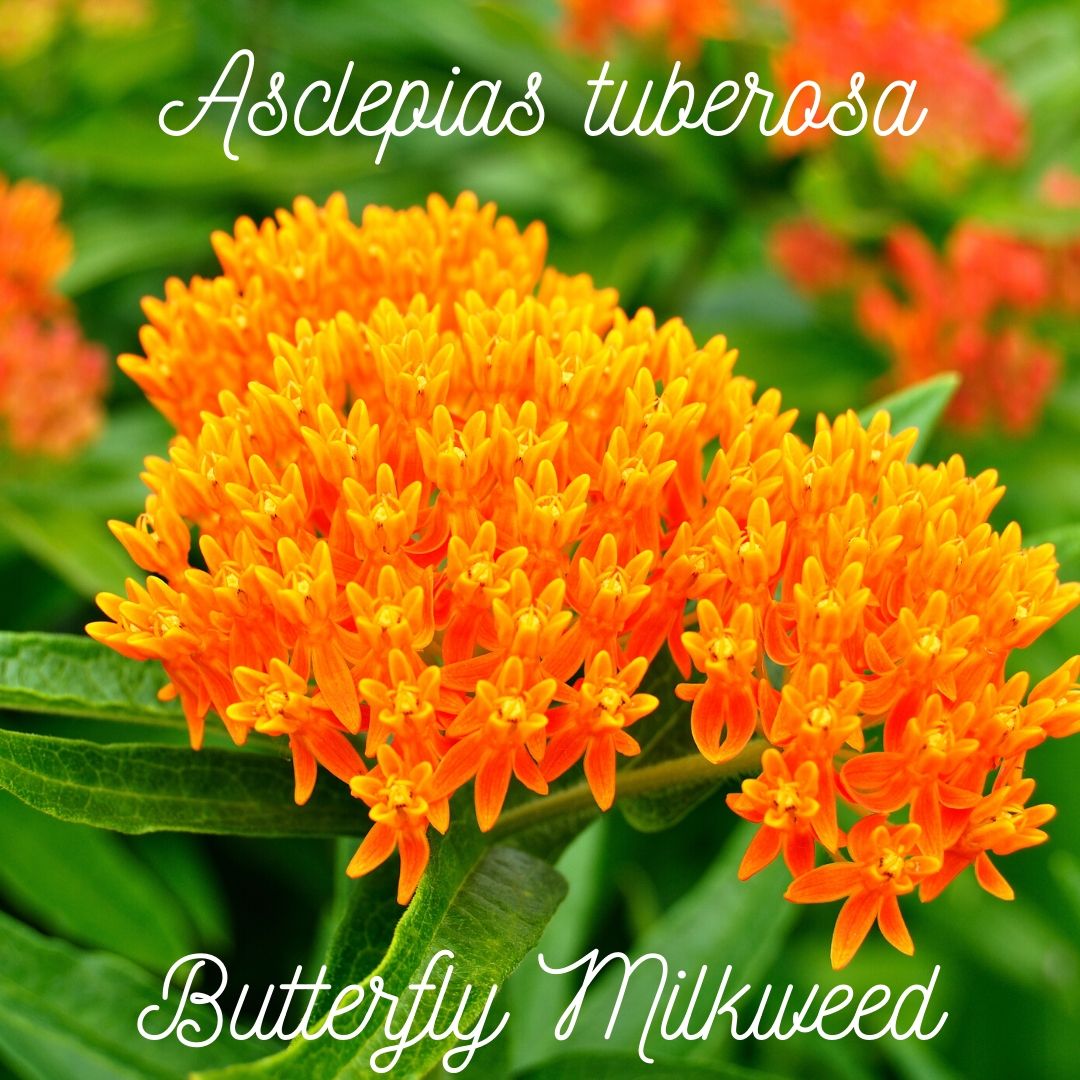 There is nothing that reminds me more of summer than the beautiful bright yellows and vibrant oranges of mid-summer flowers. Beautiful sunflowers, day lilies, and of course the radiant orange and almost red tones of Butterfly Milkweed (Asclepias tuberosa). Asclepias is one of those powerful herbal medicine allies that has been brushed off of the popular shelf of herbs, but 100+ years ago, this amazing herb was at the forefront of the standard materia medica an was a staple for indigenous groups and settlers across the prairies of North America. I first learned about it a number of years ago when I was still studying herbal medicine at Dominion Herbal College and began reading Matthew Wood's book The Earthwise Herbal, A Complete Guide to New World Medicinal Plants. I had seen this plant as an ornamental in yards and neighbourhoods from BC to West Virginia and was so pleased to read about its uses and colorful past. In an attempt to inspire individuals to learn more about herbal medicine, and to offer students, practitioners, gardeners, or those seeking healing more complete information about medicinal plants, I am now so pleased to offer you this monograph. I hope you enjoy reading it as much as I enjoyed writing it. In health and wellness, Petra Sovcov - Clinical Herbal Therapist IntroThis beautiful flowering herb is commonly known as Butterfly Weed, Swallow Wort, Wind Root, Tuber Root, , and Pleurisy Root. It is a perennial herb of the Asclepiadaceae family and is native to the United States and Canada. Traditionally, Pleurisy Root is used for the condition it is named for, pleurisy. In its actions with pleurisy it is best known for its ability to mitigate associated pain and relieve the difficulty of breathing without being overly stimulating. It is most beneficial to the respiratory system where it proves itself to be best used with issues such as bronchitis, pneumonia, and dry coughs with pain. In the nineteenth century pleurisy root was one of the most popular moistening diaphoretics (sweat inducing) and was considered a very common herb by Materia Medica texts at the time. Parts Used: Root Actions: Febrifuge Antispasmodic Amphoteric Expectorant Diaphoretic Carminative Anti-Rheumatic Tonic ANS Stimulant Estrogenic Anti-inflammatory Anti-pyretic Aperient (mild)
What are its uses?Head, Ears, Eyes, Nose, and Throat:
Integumentary System (Skin):
Digestive/Gastrointestinal System:
Excretory System:
Cardiovascular System:
Immune/Lymphatic System:
Reproductive System:
Musculoskeletal System:
Specific Diseases/States/Infections/Viruses/Bacteria:
Combinations:
Safety Concerns and Contraindications
References
The name Ashwaganda comes from the Sanskrit “ashva” meaning horse, and “gandha”, meaning smell, and refers to the odor of the root. It is an herb traditional to Ayurvedic medicine and has been used for over 4,000 years. It is specific for both men and women in regard to issues with fertility, stress, and general chronic disorders of the nervous system. It is classified in Ayurveda as a rasayana, one of a group of elite herbal medicines reputed to promote physical and mental health, to augment resistance of the body against disease and diverse adverse environmental factors, to revitalize and increase longevity. As with any form of herbal medicine, the below information is not meant to replace medical advice or prescriptions from your MD. All information below is based off of Materia Medica texts and comes from published and historical sources. Family: Solanaceae Parts Used: Dried Root and Leaves (for Withaferin A in cancer therapies) Other Common Names: Indian Ginseng, Winter Cherry, Avarada, Turangi-gandha Actions: General Tonic Rejuvenating Aphrodesiac Astringent Sedative Adaptogenic Anti-Inflammatory Immune Modulating Anti-Anemic Anti-Depressant Anxiolytic, possibly due to GABA-mimetic activity Antioxidant Nervous System Tonic Anti-Stress Anti-Tumor Oxytocic Hemopoietic Cardiopulmonary action Tonic to the Central Nervous System Cardiotropic Cardioprotective Anticoagulant Chemical Constituents: Steroidal lactones
What are its Uses?Head, Ears, Eyes, Nose, and Throat:
Integumentary System (Skin):
Mind/Mental Health:
Nervous System:
Respiratory System:
Digestive System:
Urinary/Renal System:
Endocrine System (Hormones):
Cardiovascular System:
Circulatory System:
Immune/Lymphatic System:
Reproductive System:
Musculoskeletal System:
Specific Diseases/States/Infections/Viruses/Bacteria:
Herbal Combinations
Clinical Studies
Safety Concerns/Contraindications
I hope you've enjoyed this article on the many uses of this incredibly ancient and reliable herbal ally. If you have any questions about this herb or its uses, or would like to contact me about other related herb/health concerns, please feel free to reach out to me directly via email by clicking here. In health and wellness, - Petra References
 Have you ever experienced that moment where you have some sort of deadline and you find yourself running out the door, in a mad dash, to make it on time? Noticing that both your mind and stomach are a bundle of nerves? Then all of a sudden you are forced to make an abrupt detour to the bathroom because your stomach has failed you? Or perhaps you can recall a moment when you have eaten something that has upset your body causing bloating and gas? This feeling then morphs into other ailments, creating a whole cascade of negative reactions.
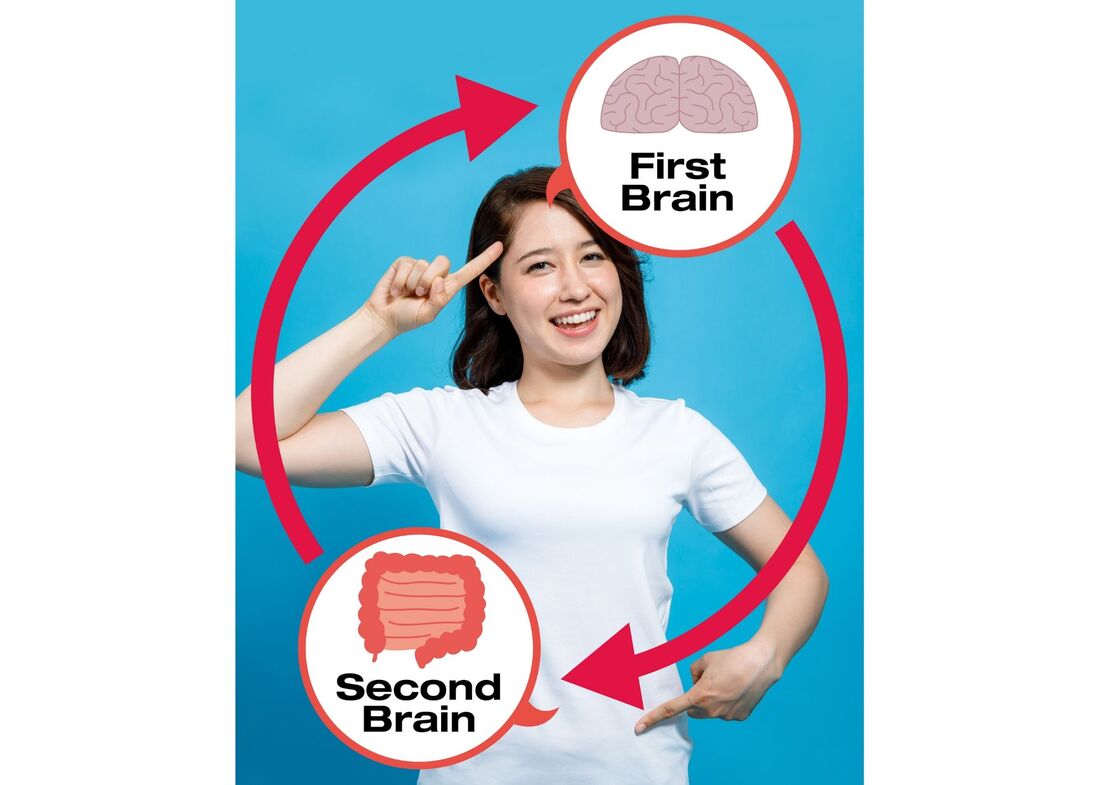
Now you observe that you have a headache and you are experiencing that brain fog where your mind feels as though it is all over the place. Perhaps you have experienced a moment where your “gut” speaks up, providing you with an intuitive feeling to avoid a specific road or to not trust a particular person? Have you stopped to ask yourself why this is happening? Well, my friend, you are not alone. The gut-brain axis is a bidirectional circuitry that runs from your central nervous system (brain and spinal cord) to your enteric nervous system (a division of the autonomic nervous system that governs the gastrointestinal tract). The gut-brain axis is a powerful mechanism that governs how you feel emotionally and physically making it our “second” brain. Let’s break it down, shall we? Our brain is constantly sending or receiving messages whether it is in response to the external environment or sensing and responding to the happenings within the internal body. Breaking it down further, what governs these feelings are the bacteria inside of the gut. What! Bacteria!? Don’t worry, I was shocked too, especially to learn that these bacteria are often the “good guys” if taken care of properly. The bacteria within our body are responsible for manufacturing nutrients, breaking down food, and when balanced helps to neutralize toxins. The gut-brain axis aids in the creation of our neurotransmitters, which are chemicals that can make us feel happy or sad. One neurotransmitter, in particular, called serotonin, regulates our mood, digestion, and appetite. Although this neurotransmitter is often known for its role in the brain, scientists are finding that the vast majority, roughly 90%, are made in the gut. With the gut holding that much power it will not be surprising to learn that about 80% of the immune system is also located in the gut. What does this mean? It means that how one chooses to fuel their body will influence the microbiome thus impacting how one feels. Food can either encourage the body to repair and heal itself by providing the right building blocks and tools, or it can be destructive adding more stress in the body further breaking it down. The HPA axis (hypothalamic-pituitary-adrenal axis) is the center for stress response. Daily, our body is combating environmental, social, financial, emotional, physical, stressors that degrade and wear down the body. The immune system is responsible for fighting pathogens and microbes (the bad guys), where the nervous system is responsible for how the body communicates. So how is it our food choices play into these systems? Well, its time to connect the dots! Once the food is ingested, the process of digestion begins, once the food particles make their way into the small intestine, it is broken down into its smallest molecular form so that it can be assimilated and used throughout the body. At this point, bacteria and the immune system are doing their jobs by protecting the body. However, if the foods that are eaten are inflammatory by nature this will result in the system going out of balance. Unfortunately, this causes the body to work overtime. If the same inflammatory foods are repeatedly eaten, it causes the HPA axis to be on high alert, in turn overburdening the immune system. This also offsets the microbiome of the gut, allowing the “bad bacteria” to dominate offsetting the good bacteria. As you can see, food choices can create a snowball effect, impacting our bacteria which influences of physical symptoms (gas, bloating) and our mental symptoms (anxiety, brain fog, depression, neurotransmitter imbalance). This can worsen diseases or disorders already present, or enhance the predisposition of a disease/ailment to “turn on.” Now that this gut-brain connection is better understood let’s discuss the foods that commonly cause inflammation. Certain foods cause the body to experience stress which causes the body to breakdown. Think of a car, if you put the incorrect gas into the vehicle repeatedly, it will cause the mechanisms to malfunction. Our body is one phenomenal mechanism that relies on us to provide full support. By avoiding specific foods, or reducing the amount of intake, you are providing the body with building blocks rather than blocks that are faulty and will eventually break. Let's take a look at some of these inflammatory foods:
This quick list compromises the most food culprits that cause inflammation. How empowering is that to know that the food you choose to ingest influences how your body feels and how your mind feels? By avoiding inflammatory foods reduces the body’s destructive stress response, it lowers the activation of the HPA axis, promotes a healthy connection between the gut and the brain, aiding the body’s resiliency to stress and disease. These foods are a means of fueling your stress rather than fueling your body. The next time you feel disconnected from yourself, overwhelmed, overly emotional, unwell physically, bloated, gaseous, take a moment to check-in. Explore if these foods could be the culprit that is fueling the break down of your body rather than the build-up. Food is power, through these choices, one can reduce the destructive stress response, enhancing their health and vitality. This guest article is written by Sky Corbett-Methot a Holistic Nutritionist and 500 hour yoga and meditation instructor. Sky is a recent graduate of the Institute of Holistic Nutrition and a previous student of both Petra Sovcov and Tahlia Sage. She is a holistic healing and wellness coach that combines a unique “just for you” approach by utilizing movement, meditation, and nourishment to enhance vitality. Find out more at about SkyYoga & Wellness at: https://www.skyyogawellness.ca Or find her on Instagram @ sky_the_dauntless References:
 Beyond helping us extract nutrients from foods, our gut health has an important role to play in our immunity. Our gut often protests when its working conditions are less than desirable, causing heartburn, bloating, pain, gas, imperfectly-formed bowel movements. During stressful times, negative emotions can modify your gut environment in negative ways.
There are a few different ways digestive health suffers from the insult of chronic stress: Your can stress out your gut! The enteric nervous system is an extension of our autonomic nervous system, also known as the second brain. The enteric system helps to regulate digestion. When we feel stress, blood is diverted away from the digestive tract to our muscles, disrupting the intestinal muscle contraction leading to gas caused by nutrient malabsorption. Some additional symptoms like constipation and diarrhea also tend to emerge. That gut feeling is real! Stress can weaken your gut barrier. This barrier is a critical part of the immune system. A weakened intestinal barrier can let pathogens into the bloodstream leading to chronic silent inflammation that attacks our own tissues and organs, and has been linked with many chronic conditions such as Alzherarthritis, asthma, COPD, heart disease, diabetes and cancer. Inflammatory response created by our immune system is essential for protecting ourselves from infections. These inflammatory conditions take away your immune system’s resources to fend off infections. Your gut bacteria’s reaction to stress. Your gut can literally change the map in your gastrointestinal system.Your gut bacteria communicate with the brain through the vagus nerve. Your gut utilizes the same neurotransmitters your brain uses to regulate mood, memory and energy levels, such as GABA, serotonin, adrenaline, dopamine, acetylcholine and melatonin. Stress can create an immediate effect on our gut microbiome such as reduced beneficial bacteria, increased harmful bacteria and inflammation in the gut. In turn, the hostile gut environment creates defensive molecules known as inflammatory cytokines that makes the brain feel anxious and depressed. There are three foundations to good gut health: 1) Microbiome balance balance 2) Gut lining integrity 3) Sufficient digestive factors. Let’s take a look at all three factors in detail. Microbiome Balance Friendly bacteria can not only support mental emotional well-being and nutrient absorption, it can also produce natural antibiotics to kill off infections. Your gut bacteria is busy fighting off infection before pathogens can even reach your bloodstream. Adding fermented foods are a great way to reward those hard-working, good microbes. The fermentation process creates lactic acid which naturally inhibits the growth of bad bacteria. Fermented foods can also provide prebiotic fibers that help to host beneficial bacteria. However, to get the beneficial strains many of us are lacking, it’s important to introduce human strain probiotics such as any of the HMF (Human Micro Flora) line from Genestra. (We carry these at Healing House, please contact us for info) Gut Lining Integrity The gastrointestinal barrier can be reinforced by removing inflammatory food triggers to reduce the insult to the gut lining. The natural healing process can also be encouraged by adding L-glutamine, a naturally occuring amino acid found in cabbage juice and bone broth. Glutamine is the preferred fuel of the intestinal lining cells. Digestive Factors Digestive enzyme, hydrochloric acid and bile are some important digestive factors to make sure foods get broken down into nutrients. Digestive bitters such as dandelion greens, chards and arugula help to stimulate the vagus nerve, as discussed, the channel where our gut and brain communicate. Bitter herbs and foods help to aid in the production and release of digestive enzymes. Here are some recipes that support gut health: Digestive Bitters Salad Serves: 2 Total Time: 10 min Ingredients
Directions
Serves: 4 Total Time: 40 min Ingredients
Directions
Green Gut Soother Smoothie Serves: 2 Total Time: 10 min Ingredients
Directions
In health and wellness, Tahlia Sage - Holistic Nutritionist  On June 21st many Canadian families will be celebrating Father’s Day. It is great to see that fathers have their special day, just like mothers do, but I doubt that the majority of Canadian fathers feel equally appreciated on a daily basis. Although we are gradually moving away from a centuries-long focus on mothers as the primary caregivers, and it is a lot more likely to see engaged fathers at the playgrounds across the Lower Mainland (compared to just a decade ago, or compared to numerous other places in the world), there are still various barriers to fathers’ involvement.
Cultural and religious norms are often intertwined with gender expectations around manhood and parenthood, which present us with the view of the father as an emotionally-distant provider, whose involvement in parenting is limited to disciplining. However, even for fathers who do not follow this script there remain certain logistical barriers to involvement, including work schedule and commitments, lack of role models and lower probability of custody after divorce to name a few. And yet, over the last three months of disrupted routines I have witnessed – as a parent and as a counsellor – many fathers taking over the role of primary caregivers, making difficult compromises in order to be there for their children (not necessarily as providers) and letting their nurturing side shine. I have seen children re-connect with their often less-present dads in meaningful ways, which has truly filled my heart. There are numerous studies examining the positive effects of a father's involvement on children’s socio-emotional development. The infants of fathers who attend to their cries and engage with them in a playful way grow more emotionally secure and with higher self-esteem; they engage in more pro-social behavior, leading to stronger social attachments as adolescents. Compared to mothers, fathers tend to engage in more stimulating play with their children; they also encourage exploratory behavior and risk-taking, thus fostering greater independence and confidence. Through rough and tumble play children also learn to regulate their feelings, which is correlated with less externalizing in the form of oppositional behavior, temper tantrums and aggression. Similarly, children who have positive relationships with their fathers are less likely to develop anxiety or depression, and overall have good mental and physical health. In terms of children’s cognitive development there are studies suggesting better academic readiness at the beginning of school, and higher academic achievements throughout the school years for children of involved fathers. Compared to mothers, fathers are less likely to modify their language when speaking to their children, thus challenging the latter to expand their vocabulary, which is linked to better linguistic capacities. Girls and boys tend to benefit in similar ways from their fathers’ positive engagement with the exception of a few noticeable differences among the genders: boys tend to engage in significantly less disruptive behavior (compared to the sons on non-present or non-engaged fathers), with effects lasting into adulthood; on the other hand, teenage daughters of involved fathers engage in fewer sexual risks, and are more likely to develop healthy relationships with men throughout adulthood. Considering that there has been a significant decrease in the prevalence of traditional nuclear families, I realize that these findings may leave many readers with questions regarding the development of children raised by one parent only, same-sex or gender-queer couples, and extended families. Fortunately, there is more research being developed to examine some of the related influences, which I would like to address in another article. Instead, my goal here is to celebrate the role of father figures (in any type of family) by highlighting some of the positive influences that they have on children. And since many of us are still living the consequences of the pandemic, leaving many fathers with less work than usual, I’d also like to take the opportunity to encourage them to engage in quality interactions with their children, thus making the best of the increased availability they may have. The key word here is quality, because the examined positive influences are not as significant when fathers are simply present or engage in many, but not necessarily positive/stimulating interactions. As in any meaningful social connection warmth is essential. This is not to say that fathers should not engage in disciplining; to the contrary, limit-setting and consistent enforcement of (logical) rules are important for children to feel secure and learn valuable skills. However, don’t forget to praise good behavior, which not only reinforces what you’d like to see more of in your children, but it also increases their self-efficacy and self-esteem. Fathers can also help a lot with caring (cooking, feeding, bathing, tucking into bed) and teaching – especially now that many school-aged children are involved in online learning or attend school part-time only. Yet, by teaching (I don’t mean just school projects and homework); fathers can model problem-solving and teach skills anywhere from tying shoelaces to surviving in the wild. With nice weather coming up hopefully there will be many opportunities to teach children how to ride a bike, swim, fish or set up a tent. Finally, I’d like to end by emphasizing that one of the foundations for childhood development is play – solitary, make-belief, with siblings or friends, with all caregivers – allow yourselves to act silly every once in a while, and have a fun summer! Warmly, Bobbie Miteva, Registered Therapeutic Counsellor Click Here to Contact Directly REFERENCES:
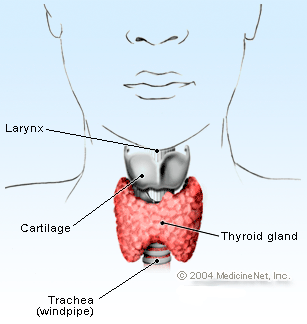 June is Canadian Thyroid Awareness Month! In this article by Clinical Herbalist Petra Sovcov, we explore natural support strategies for hypothyroidism and discuss what it is and some of the symptoms and complications involved. Understanding HypothyroidismThe thyroid gland is the body’s internal thermostat, regulating the temperature by secreting two hormones that control how quickly the body burns calories and uses energy. If the thyroid secretes too little thyroid, hypothyroidism results. It is estimated that up to 5% of the population in the US are influenced by hypothyroidism, and it is more common in women between the ages of thirty and fifty than in men. Because thyroid gland hormones regulate metabolism in each body cell, a deficiency of thyroid hormones can affect virtually all body functions. The degree of severity of symptoms in an adult ranges from extremely mild deficiencies (pre-clinical hypothyroidism) to severe deficiency states that are life threatening (myxedema). Deficiency of thyroid hormone may be because of deficient hormone synthesis or lack of stimulation by the pituitary gland, which secretes thyroid-stimulating hormone (TSH). When thyroid hormone levels in the blood are low, the pituitary secretes TSH. If thyroid hormone levels are decreased and TSH levels are elevated in the blood, it usually indicates defective thyroid hormone synthesis. This is termed primary hypothyroidism. If TSH levels are low and thyroid hormone levels are also low, this indicates the pituitary gland is responsible for the low thyroid function. This is termed secondary hypothyroidism. The thyroid itself is a small gland, measuring about two inches across, that lies just under the skin below the Adam’s apple in the neck. The two halves (called lobes) of the gland are connected in the middle (this is called the isthmus), giving the thyroid gland the shape of a bow tie. The thyroid gland secretes thyroid hormones, which control the speed at which the body’s chemical functions proceed (metabolic rate). Thyroid hormones influence the metabolic rate in two ways:
The two thyroid hormones are T4 (Thyroxine) and T3 (Triiodothyronine). T4, the major hormone produced by the thyroid gland, has only a slight, if any, effect on speeding up the body’s metabolic rate. Instead, T4 is converted into T3, the more active hormone. The conversion of T4 into T3 occur in the liver and other tissues. To produce thyroid hormones, the thyroid gland needs iodine, an element contained in food and water. The thyroid gland traps iodine and processes it into thyroid hormones. As thyroid hormones are used, a small amount of the iodine contained is recycled to produce more thyroid hormones. Causes:Hypothyroidism is caused by an underproduction of thyroid hormone. Thyroid problems can cause many recurring illnesses and fatigue. The thyroid can be affected by poor diet, fluoride exposure in water, excessive consumption of unsaturated fats, endurance exercise, pesticide residues on fruits and vegetables, radiation from x-rays, alcohol, and drugs/certain medications. In some cases, it can also be genetic. Symptoms and Complications:Symptoms and Complications include:
Supplement Options for Hypothyroidism:
Herbal Support for Hypothyroidism:Commonly Used Herbs:
Dietary and Lifestyle Suggestions:
The Importance of Basal Body TemperatureThe basal body temperature is perhaps the most sensitive functional home test of thyroid function. Your body temperature reflects your metabolic rate, which is largely determined by hormones secreted by the thyroid gland. The function of the thyroid gland, therefore, can be determined by simply measuring your basal body temperature. All you need is a Basal Thermometer and these simple steps:
Your basal body temperature should be between 97.6 and 98.2 degrees Fahrenheit or 36.4 to 36.7 degrees Celsius. Low basal body temperatures are quite common and may reflect hypothyroidism. Article References:
 Its not just about sunshine and eating right when it comes to COVID 19 and vitamin D. In recent clinical research, we are beginning to see the possibility of a correlation between increased Vitamin D levels and the lessening of symptoms and the increase of appropriate immune reactions . Additionally, there is ongoing research in regard to Vitamin D as part of active COVID treatment plans. The following article is a grouping of ongoing scientific studies with links to the various research reports to help keep you well informed. We hope you find this article interesting and informative. In addition to the article, we have included information on the types of Vitamin D that we recommend to clients, and also dietary and lifestyle guidelines for increasing your natural levels of Vitamin D. If you would like to speak with one of our practitioners directly about supplements, or if you would like to implement an immune boost and Vitamin D plan, please reach out to us at the office. The following article comes from Fullscript and has been medically reviewed by Dr. Kealy Mann, ND - Research and Education Manager. Please keep in mind that research is ongoing and constantly changing and that large randomized, and control based studies are still limited due to the newness and scope of this disease. If you feel you may have been exposed to COVD-19 or if you feel you have symptoms associated with this disease, please contact your medical doctor. In Health and Wellness , Petra Sovcov - Herbal Medicine, Clinical Herbal Therapist IntroductionAs a response to the current pandemic, new theories and research examining the pathogenesis and treatment of COVID-19 are becoming available. Recently, research examining vitamin D status and its possible link to COVID-19 risk has been quickly evolving. Through a review of literature, we aim to summarize the available information and provide an update on research. At the present time, available literature specific to COVID-19 and vitamin D is limited and lacks rigorous placebo-controlled human trials. To help provide more information on the possible effects of vitamin D status, we have also included research examining the connection between vitamin D status, acute respiratory distress syndrome (ARDS), and acute respiratory infections. More information specific to vitamin D status and supplementation related to COVID-19 is necessary to improve evidence-based clinical decisions in patient care. Examining the evidence Outlined below are summaries of published research articles that support the use of vitamin D. Each section is split into its respective condition. COVID - 19:There appears to be a positive correlation between low vitamin D plasma concentration and positive testing for COVID-19. Considering vitamin D modulates inflammation, it is theorized that higher-risk groups may benefit from supplementation. The Research Articles:The role of vitamin D in the prevention of coronavirus disease 2019 infection and mortality. Read full article This study aimed to assess any association between vitamin D levels, cases of COVID-19, and COVID-19-related mortality. An analysis of literature pertaining to vitamin D levels in various European countries and their reported cases of COVID-19 was performed. A negative correlation between mean levels of vitamin D (average 56 mmol/L) and COVID-19 cases was found in each country, as well as a negative correlation between serum vitamin D levels and COVID-19 mortality rates were also observed. This study also noted that older populations tend to have lower levels of vitamin D. 25-hydroxy vitamin D concentrations are lower in patients with positive PCR for SARS-CoV-2. Read full article A retrospective analysis of vitamin D plasma concentrations was performed on a cohort of older adults being tested via the nasopharyngeal severe acute respiratory syndrome coronavirus 2 (SARS-CoV-2) PCR test. Lower vitamin D levels were found in patients who tested positive for SARS-CoV-2, compared to those who tested negative. The median value of serum vitamin D was 11.1 ng/mL in those that tested positive, whereas those that tested negative had a median value of 24.6 ng/mL. Potential role of vitamin D in the elderly to resist COVID-19 and to slow the progression of Parkinson’s disease. Read full article A recent literature review compared relationships between Parkinson's disease (PD), vitamin D status, and COVID-19. The review found that vitamin D levels impacted Th2 and regulatory T cell response. Since Th1 responses are subsequently downregulated, this mechanism is thought to help decrease proinflammatory cytokines. Additionally, vitamin D may help down-regulate ACE2 receptors and decrease the risk of COVID-19. This study suggests that vitamin D deficiency may increase the risk of COVID-19, particularly in elderly and PD patients who are susceptible to deficiency. Supplementation of vitamin D may, therefore, reduce the risk and severity of COVID-19, as well as improve symptoms of PD and quality of life. Evidence that vitamin D supplementation could reduce the risk of influenza and COVID-19 infections and deaths. Read full article A literature review of vitamin D serum levels and how supplementation may reduce the risk for COVID-19 was performed. Vitamin D status was found to be low during the winter season which correlated with the timing of the outbreak. Based on the winter outbreak of COVID-19, it is theorized that lower vitamin D levels may increase the risk of contracting COVID-19. Acute Respiratory Distress Syndrome (ARDS)Decreased levels of serum vitamin D3 correlate positively with diagnoses of ARDS. Effect of vitamin D deficiency in Korean patients with acute respiratory distress syndrome. Read full article Through a retrospective analysis, serum levels of 25-hydroxy vitamin D3 were analyzed in a population of patients diagnosed with ARDS. Vitamin D deficiency was found to have an increased prevalence in patients with ARDS. Mortality rates were not associated with decreased levels of serum vitamin D3. Vitamin D deficiency contributes directly to the acute respiratory distress syndrome (ARDS). Read full article Human, murine, and in vitro methods were used to observe vitamin D deficiency and its impact on ARDS prevalence and severity. Human models displayed correlations of vitamin D deficiency in subjects with ARDS. Murine models demonstrated increased alveolar inflammation and epithelial damage when vitamin D deficiency was induced. In vitro results expanded on this by showing tropic effects in cells. Acute Respiratory InfectionVitamin D (any form, any duration) supplementation appears to result in a decreased prevalence of ARI or Acute Respiratory Tract Infection (ARTI). Decreased levels of serum vitamin D are associated with elevated risk of ARTI. Vitamin D supplementation to prevent acute respiratory tract infections: systematic review and meta-analysis of individual participant data. Read full article A systematic review and meta-analysis utilizing randomized controlled human trials sought to assess the effect and risk factors associated with vitamin D supplementation on the risk of acute respiratory tract infection (ARTI). An analysis of 25 randomized controlled trials (RCTs) found that vitamin D supplementation reduced the risk of ARTI in patients. Protective effects were found to be more beneficial in populations with baseline vitamin D levels less than 25 nmol/L, though patients with levels equal to or more than 25 nmol/L still experienced benefits. Vitamin D supplementation resulted in an overall reduction of ARTI. Acute respiratory tract infection and 25-hydroxyvitamin D concentration: a systematic review and meta-analysis. Read full article An analysis of observational studies was completed in this systematic review and meta-analysis, focusing on identifying the connections between vitamin D concentration and ARTI. Serum level concentrations were found to have a non-linear, inverse relationship between vitamin D serum levels and ARTI risk. Notably, an increased risk of ARTI was observed at serum concentration levels of vitamin D below 37.5 nmol/L. High-dose monthly vitamin D for the prevention of acute respiratory infection in older long-term care residents: a randomized clinical trial. Read full article A randomized controlled trial with a placebo group compared high and standard doses of vitamin D and its effects on acute respiratory infection (ARI) incidence. The high dose group received 100,000 IU monthly. The standard dose group received a placebo if their daily regime included 400-1,000 IU per day or a monthly dose of 12,000 IU for those taking less than 400 IU per day. Incidence rates of ARI in the high dose group were significantly lower than in the standard dose group. It is important to note that higher rates of falls, but no increase in fracture, were also observed in the high dose group. The Bottom LinePreliminary findings show that vitamin D status may be beneficial in determining the risk for COVID-19 and other respiratory illnesses. Compared to mean vitamin D levels in specific populations (e.g., elderly individuals), decreased serum vitamin D may indicate high risk for the conditions above. In light of the evolving information regarding the COVID-19 pandemic, the goal of this review is to provide insights into the latest research on vitamin D status as it relates to COVID-19, ARDS, and ARI. These early findings are crucial to help strategize possible treatments and improve future clinical trials. Randomized placebo-controlled human trials are necessary in order to provide the level of evidence best suited to clinical practice.
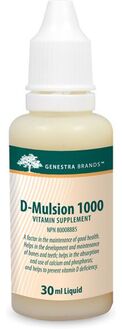
A second important detail is to make sure your vitamin is bioavailable. This means that the vitamin is easy to digest and is easily broken down in your digestive tract where it can be absorbed in your gut. Because of the importance of bioavailability, I often recommend that Vitamin D come in a liquid form. The following are some of my favorite suggestions.
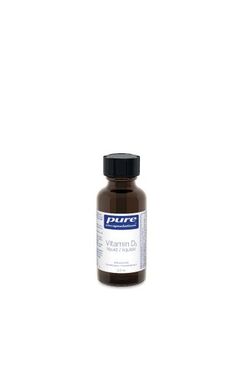
Liquid D3 by Pure Encapsulations
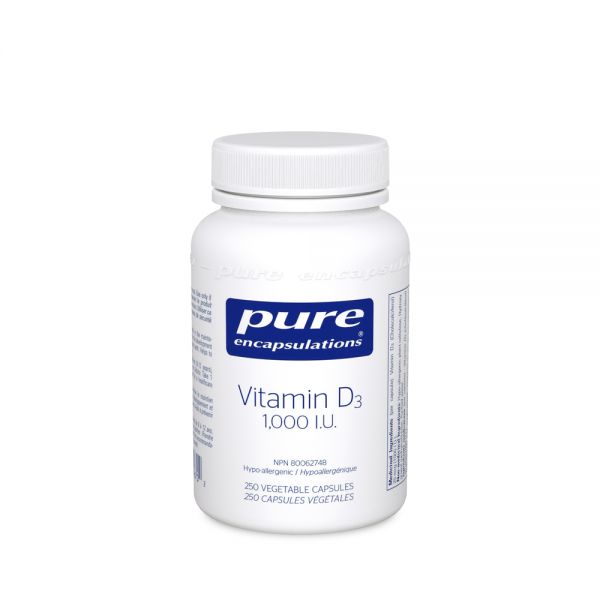
Pure Encapsulations D Caps
Dietary and Lifestyle Suggestions for Increased Vitamin D
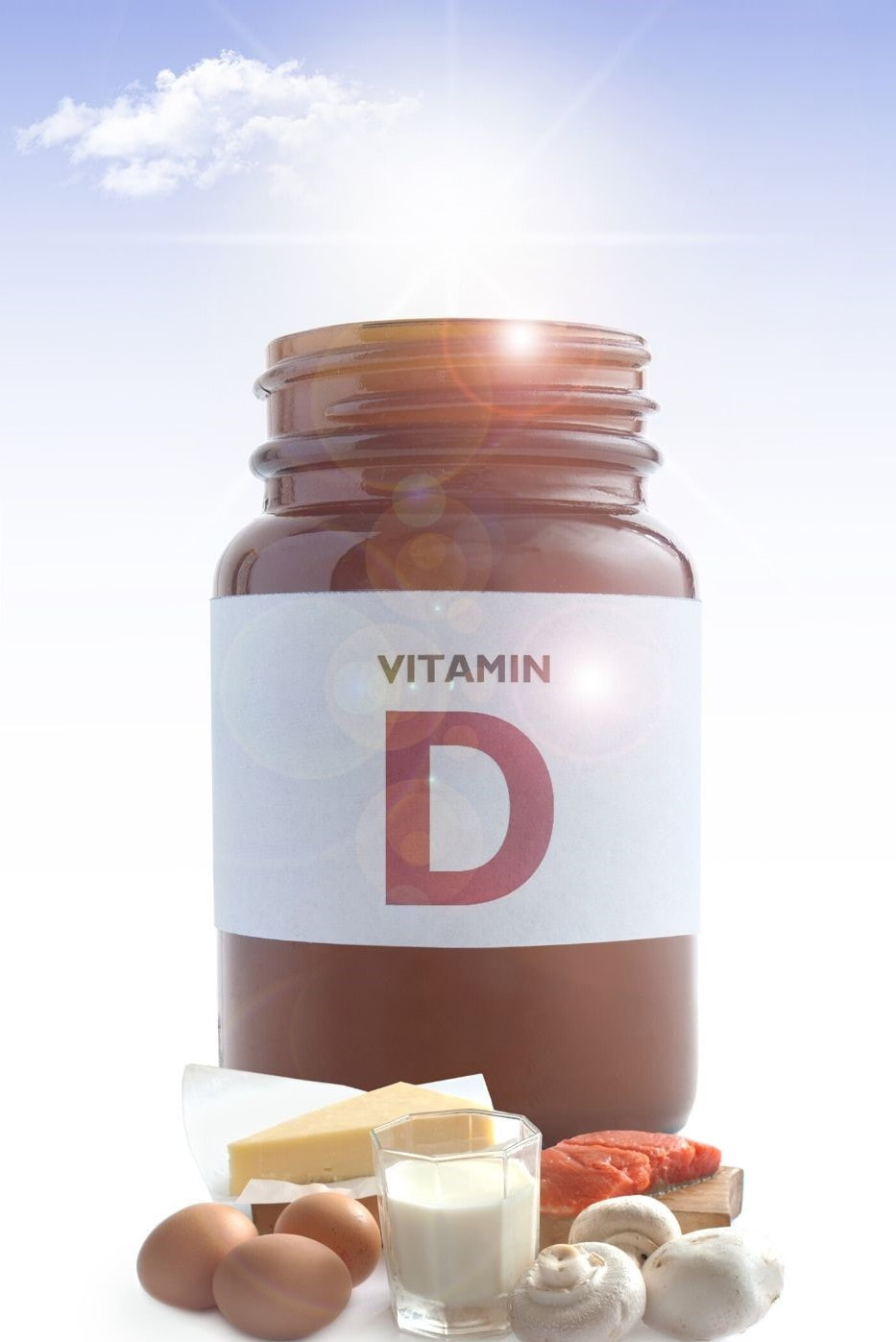
Vitamin D is part of a family of vitamins known as fat soluble, because in contrast to water-soluble vitamins, it is more readily stored in our body tissues. No vitamin requires more whole-body participation than vitamin D. The skin, bloodstream, liver, and kidneys all contribute to the formation of fully active vitamin D. The process of vitamin D starts with the skin cells and sunlight. Vitamin D is known as the "sunshine" vitamin because it is manufactured in the human skin when in contact with ultraviolet light in the sun's rays. The sunlight interacts with 7-dehydrocholesterol (a form of cholesterol) to form something called cholecalciferol, which is then transfered to the liver or kidneys where it is converted to another form. This form of vitamin D is called calcidiol. The calcidiol formed in the liver must be sent further to the kidneys for conversion into the most fully active for of vitamin D also known as vitamin D3, and is considered by some researchers to be the only truly active form of vitamin D. Vitamin D is closely related by structure to estrogen and cortisone. When ingested, this fat-soluble vitamin is absorbed through the intestinal walls with other fats with the aid of bile from the liver. What Does Vitamin D Do?
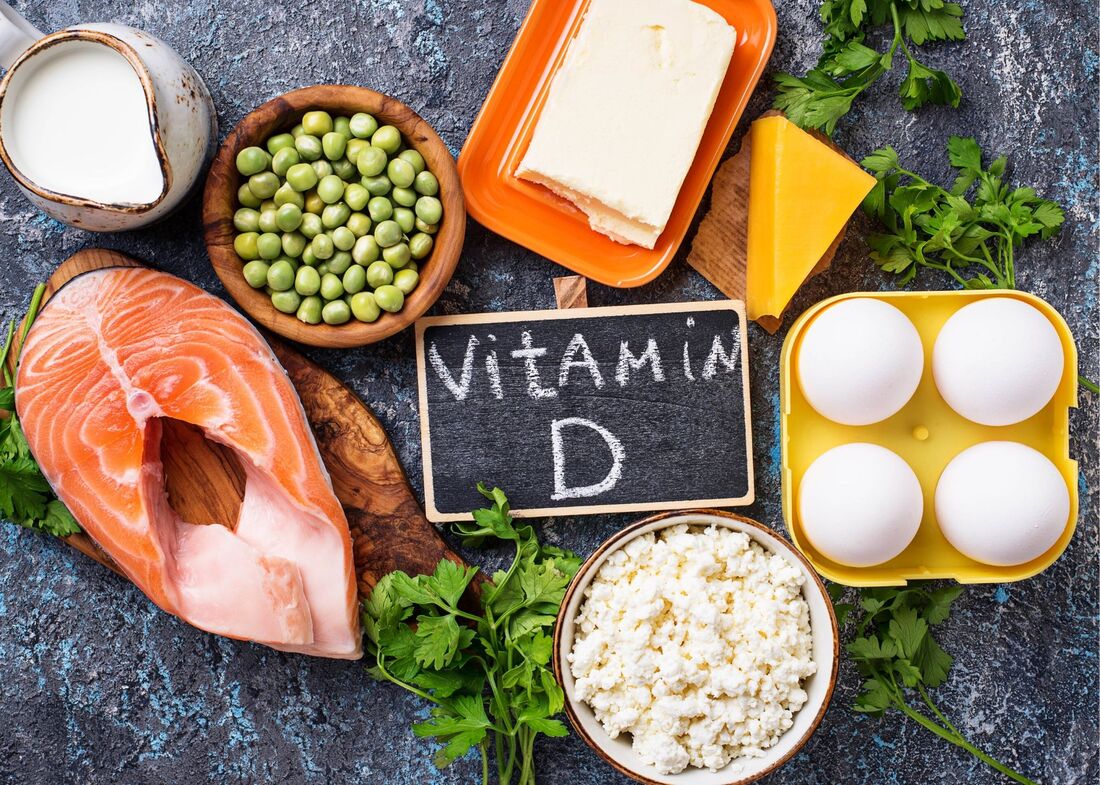
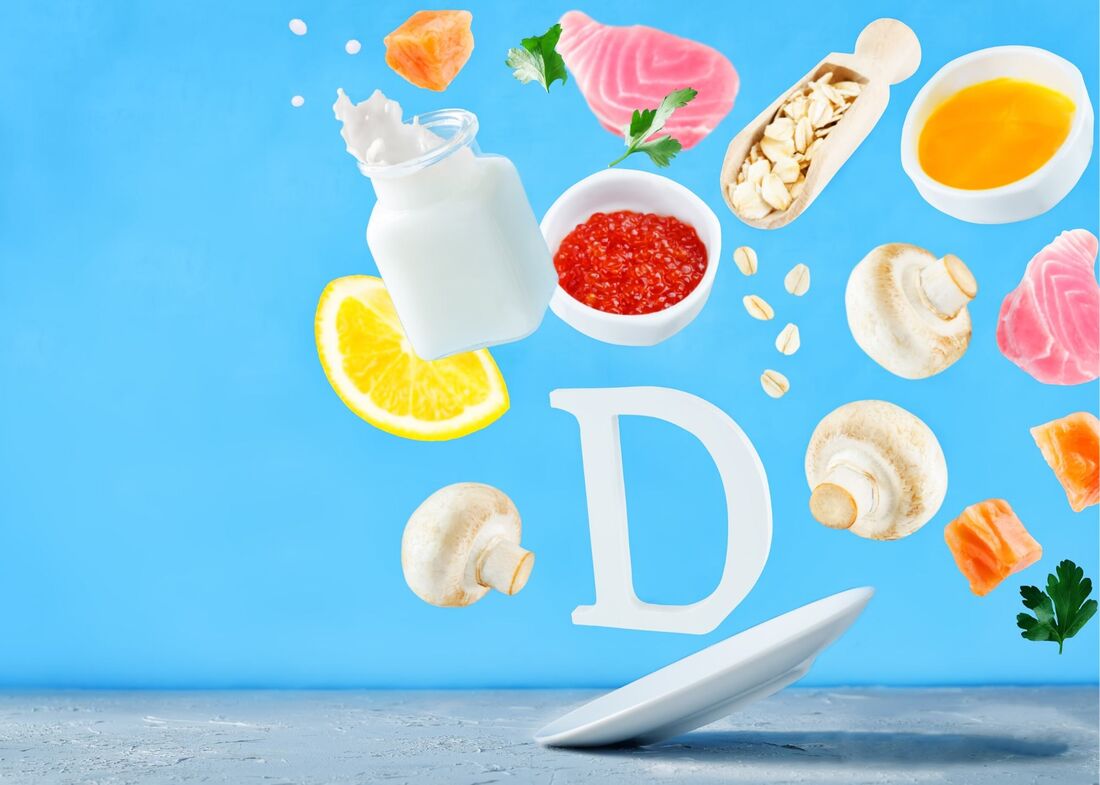
CautionsThere are some toxicity problems related to hypervitaminosis D (too much vitamin D). These usually occur in doses of more than 1,000 to 1,500 IU daily for a month or longer in adults, more than 400 IU daily in infants, and more than 600 IU daily in children. These are not exact numbers, and may vary between individuals, time of year, and specific needs. However, it is wise to be careful with supplemental vitamin D and to work with an appropriate practitioner. Foods that Contain Vitamin DIf you choose to partially supplement your Vitamin D with foods, please be certain to eat as clean as possible. Organic produce is best, followed by the dirty dozen and clean fifteen list. Foods that are rich in Vitamin D include:
For vitamin D enrichment, getting outside is one of the best things you can do. Try 15 minutes in the sun if possible, or a little longer in speckled shade. Article References:
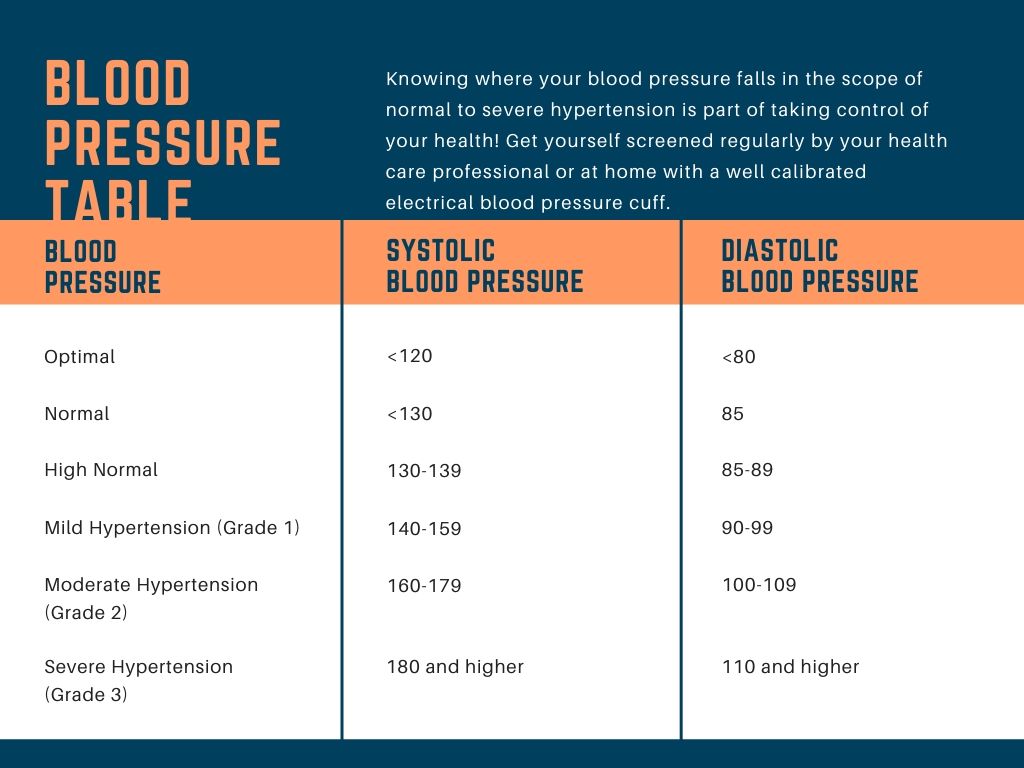
 Hypertension, or High Blood Pressure is one of the most common cardiovascular issues present in North America. A normal blood pressure reading in adults is 120 (systolic) / 80 (diastolic), and though this is the normal reading for a healthy adult, it is good to know that blood pressure can also change with age, often times a raise or change in blood pressure is common in individuals who are over 50. Hypertension is one of the major risk factors for heart attach or stroke with many dietary and lifestyle factors linked to this chronic cardiovascular disease. Yet there is more to high blood pressure than meets the eye, it can be a far more complicated situation than simply being caused by lifestyle or dietary choices. Blood pressure is determined by mechanical movements in the body (cardiovascular, renal, circulatory), hormones, and environmental factors. Please note that despite herbal medicine having many options for individuals with hypertension, severe hypertension (160+/115+) is considered a situation that requires immediate medical attention. In cases such as this a prescription medication may be necessary to achieve initial control. After which natural protocols can be implemented with the guidance of an appropriate practitioner. Causes of Hypertension:In more than 95% of cases, a specific underlying cause of hypertension cannot be found, and many factors can contribute to its development. Factors such as kidney disfunction, issues with peripheral resistance vessel tone, endothelial dysfunction, and neurohumoral factors can all be less common causes. Besides these, there are also important environmental factors such as high salt intake, a heavy consumption of alcohol etc., the list below identifies the most common causes of hypertension.
Common Symptoms of Hypertension:Hypertension is predominantly asymptomatic, meaning it has no symptoms. Generally, an individual does not know they have high blood pressure until they are seen by their practitioner for a check up or an issue occurs. A blood pressure check taken yearly is advisable in adults. Though hypertension often has no symptoms, the most common are as follows:
Complications Associated with Hypertension:It is estimated that nearly 1 in 5 Canadians (4.6 million) have some form of hypertension, and over 103 million Americans suffer from the same malady. Untreated and un-diagnosed hypertension can lead to many different systemic complications. As pressure rises in arteries, these issues can branch out to cause systemic failures throughout the body. Some of the more common but serious complications are as follows:
 How to Check your Blood Pressure at Home:
Natural Suggestions for Hypertension: Thankfully there are many herbs, supplements, and lifestyle modifications that can be implemented to safely and reliably help with hypertension. If you are on medications please speak to your medical doctor so that dosage and blood pressure can be monitored as you make improvements. Commonly Used Herbs: 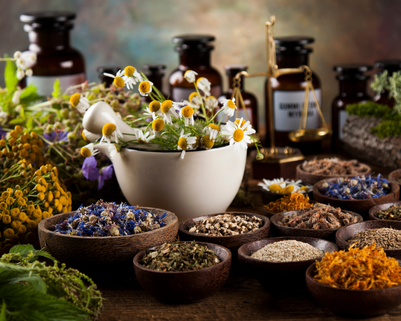
Commonly Used Supplements: 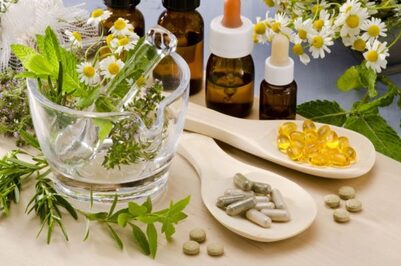
Common Dietary and Lifestyle Modifications: 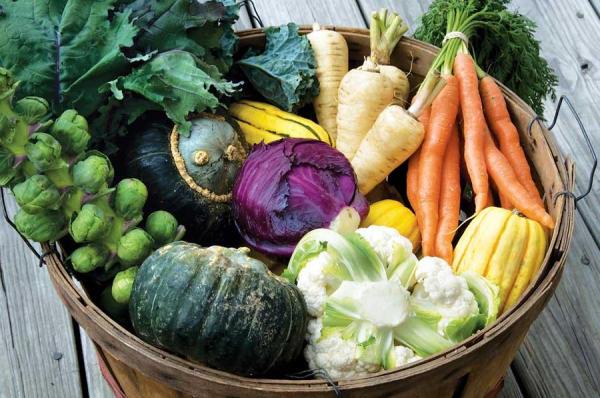
References:
|
Petra Sovcov is not a Medical Doctor (MD) nor a Naturopath (ND), she is a Clinical Herbal Therapist (CHT) and holds a Doctorate in Natural Medicine (DNM). The suggestions or recommendations made on this site are not meant to be a substitute for advice from your MD, or as a substitute for any prescriptions you may be taking. Suggestions followed will be the responsibility of the reader, and are stated with the intention of interest and education only. If you have a health issue, please see your primary care physician (MD) first and foremost. Categories
All
Archives
July 2023
|
||||||||||||||||

 RSS Feed